A Gene Edit Built for One
A therapy written for a single genome
Some diseases are so rare—and so genetically personal—that no off-the-shelf medicine quite fits. For one newborn with a severe form of CPS1 deficiency, the answer was not to wait for a general drug. It was to build a gene edit for that child’s exact DNA spelling errors, then carry it into the body with the same kind of lipid-particle delivery that made mRNA vaccines familiar.
Under a single-patient expanded-access pathway, the infant received two intravenous doses of the custom therapy, called k-abe, at roughly seven and eight months of age. The work, reported in the New England Journal of Medicine, traces a full arc from diagnosis to a living, breathing first-in-human use of a fully patient-specific in vivo base editor.
When ammonia has nowhere to go
CPS1 deficiency is a disorder of the urea cycle—the liver’s cleanup crew for nitrogen waste. CPS1, short for carbamoyl phosphate synthetase 1, is a key enzyme in that pathway. When it fails, ammonia builds up in the blood. In the severe neonatal-onset form, that chemical storm can arrive within days of birth and threaten the brain and the child’s life.
This infant carried two different stop-sign mutations—one on each copy of the CPS1 gene (compound heterozygous variants labeled Q335X and E714X). Two broken copies meant little working enzyme. Standard care can include extreme dietary protein limits, medicines that help the body dump nitrogen another way, and, for some children, a path toward liver transplant. Even with devoted care, the biology remains unforgiving.
That urgency is what made a tailored genetic approach worth racing toward.
Base editing, not a full rewrite
The team did not try to insert a whole new gene or cut the DNA helix in half. They used an adenine base editor—a molecular pencil that can swap one DNA letter for another without the double-strand breaks classic CRISPR cutting often relies on. In plain terms, it aims to correct a single-letter typo rather than tear out a paragraph.
Their customized tool, NGC-ABE8e-V106W, was paired with a guide RNA (gRNA) chosen for this patient’s sequence. The guide is the GPS pin: it steers the editor to the right address in the genome so the letter change happens where it should.
That pairing was screened in cell models first—does the edit land on target? Does it do what the design promises?—before anyone thought about an infusion.
From dish to mouse to primate, then a child
Once the editor-and-guide combo looked promising in cells, the researchers packaged it as mRNA and gRNA inside lipid nanoparticles. Think of those particles as tiny fat bubbles that shield the fragile genetic instructions in the bloodstream and help liver cells take them up—the same broad delivery idea behind several modern mRNA medicines. The formulated product was named k-abe.
Before human use, k-abe went through a careful safety gauntlet: on-target editing checks, off-target surveys (looking for unwanted edits elsewhere), and toxicity studies in humanized mice and nonhuman primates. Those steps matter. Personalized does not mean casual. It means the therapy is unique to one genome and still held to the hard questions every systemic gene therapy must answer.
Only after that runway did clinicians proceed under a single-patient expanded-access investigational new drug (IND) pathway—the regulatory route that can allow a one-of-a-kind treatment when no approved option fits and the need is immediate.
Two intravenous infusions followed, about a month apart in the second half of the first year of life.
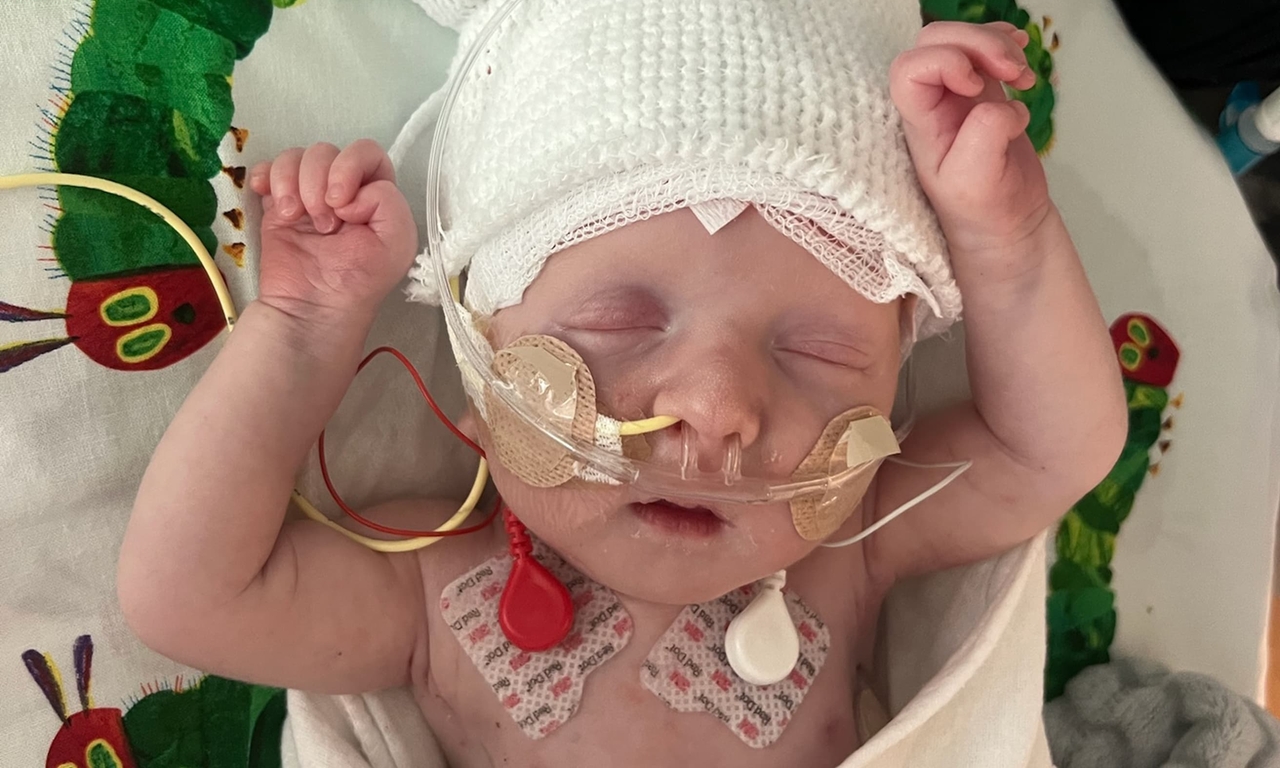 KJ was only days old when he was diagnosed with a rare metabolic disorder and transferred to Children's Hospital of Philadelphia where doctors were actively researching new cell and gene therapies.
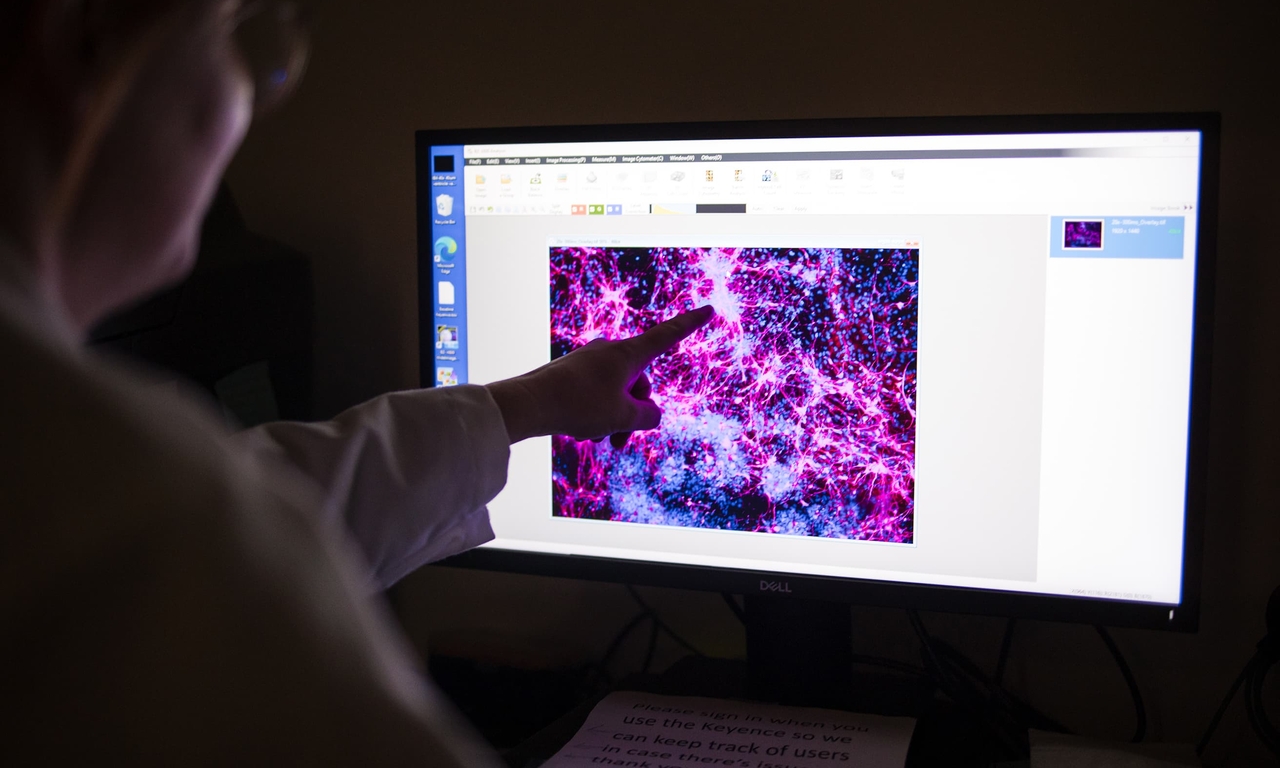 Researchers and clinicians at CHOP and Penn began collaborating to study the feasibility of creating customized gene editing therapies for individual patients in 2023.
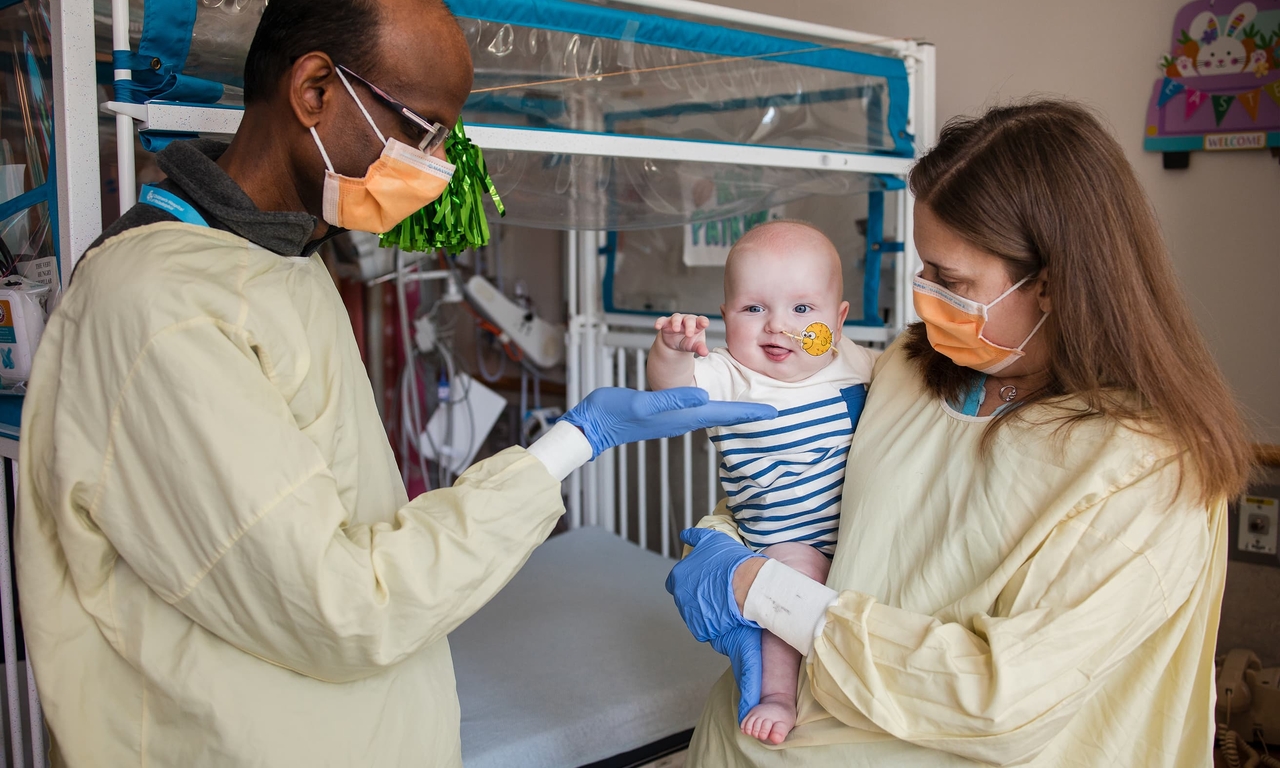 Kiran Musunru, MD, PhD, MPH, ML, MRA, (left) and Rebecca Ahrens-Nicklas, MD, PhD, (right) led the group of researchers from CHOP and Penn who developed a personalized treatment for baby KJ.
What this already changes
The scientific story here is larger than one chart or one clinic visit. It shows a workable loop: read a baby’s exact mutations, design a base editor and guide for those letters, test the package in cells and animals for editing and safety, formulate it for IV delivery, and—when ethics, regulators, and families align—offer it as compassionate, closely monitored care.
Researchers treat the caution as part of the craft. Off-target risk, immune responses to delivery particles, how much enzyme activity returns, and how durable any benefit will be remain live questions for any base-editing medicine, especially one built at sprint speed for a single patient. Framing those unknowns as the next map to fill in, not as a reason to stop, is how the field moves from proof-of-concept to something broader.
For families facing ultra-rare metabolic disease, the hopeful entry point is simple: the genome is no longer only a diagnosis. In at least this case, it became a blueprint for a bespoke therapy that left the lab and entered a child’s bloodstream twice before the first birthday.
The frontier still opening
One customized editor will not solve every urea-cycle disorder overnight. Manufacturing speed, cost, access, and long-term follow-up all sit on the table as real next steps. Yet the path itself—cell screens, lipid-nanoparticle mRNA, animal safety work, expanded-access dosing—offers a template other teams can study when another child presents with another private pair of mutations.
There is quiet wonder in that. Medicine has long aspired to treat the patient in front of us, not the average of a thousand others. Here, the average never existed. The letters did. And for a brief, intense stretch of months, scientists and clinicians turned those letters into a therapy that could be held in a vial and given by vein.
What comes next will be measured in careful follow-up, more patients, and more designs. The door, though, is no longer theoretical. It has already opened once—for one infant, with an editor built to match.