A Tiny Water Valve Inside Leaves
How Plants Guide Every Drop
Every green leaf is busy with a quiet miracle. Sunlight hits, water arrives, and oxygen slips into the air we breathe. The molecular engine behind that first step is Photosystem II—a crowded protein complex that splits water and frees the electrons plants need to build sugars.
Scientists have long known that the engine works. They have been less sure how water threads its way to the exact spot where the chemistry happens. A new structure from thale cress (Arabidopsis thaliana) finally maps those paths in fine detail.
Researchers at Umeå University and the Umeå Plant Science Centre, led by Johannes Messinger, used cryo-electron microscopy—flash-freezing fragile samples and photographing them with electrons—to capture intact, active plant Photosystem II at 2.44 Å resolution.
Two years earlier the same community had resolved the cyanobacterial version of the machine at very high resolution, even identifying individual water molecules and hydrogen atoms inside the system. Now the plant structure lets them compare systems that diverged nearly a billion years ago and still share the same essential job.
Same Core, Different Roads
“Comparing the structures of Photosystem II from Arabidopsis and cyanobacteria showed us which areas are the same, and therefore functionally important,” Messinger explains. Regions that stayed put across deep evolutionary time are the ones the chemistry cannot do without. Places that drifted are freer to experiment.
Shared first author Jack Forsman and colleagues zeroed in on the water molecules themselves. Around the manganese-containing catalytic centre—the metal cluster that actually splits water—the arrangement looked almost identical in plant and cyanobacterium. Farther out, the channels wandered in different directions.
“We were looking at water molecules and water channels in both structures. Around the catalytic centre, they were almost identical, suggesting that the arrangement of the water molecules is very important for the function of photosystem II,” Forsman says. “However, further away, the picture was very different and the channels deviated significantly.”
Meet the Water Valve
The comparison spotlighted a narrow constriction just upstream of the catalytic centre. The team calls it the water valve. Think of a garden hose that widens and bends freely until it reaches a precise nozzle: before the nozzle, any route that delivers water will do; after it, every molecule must sit in a fixed pose.
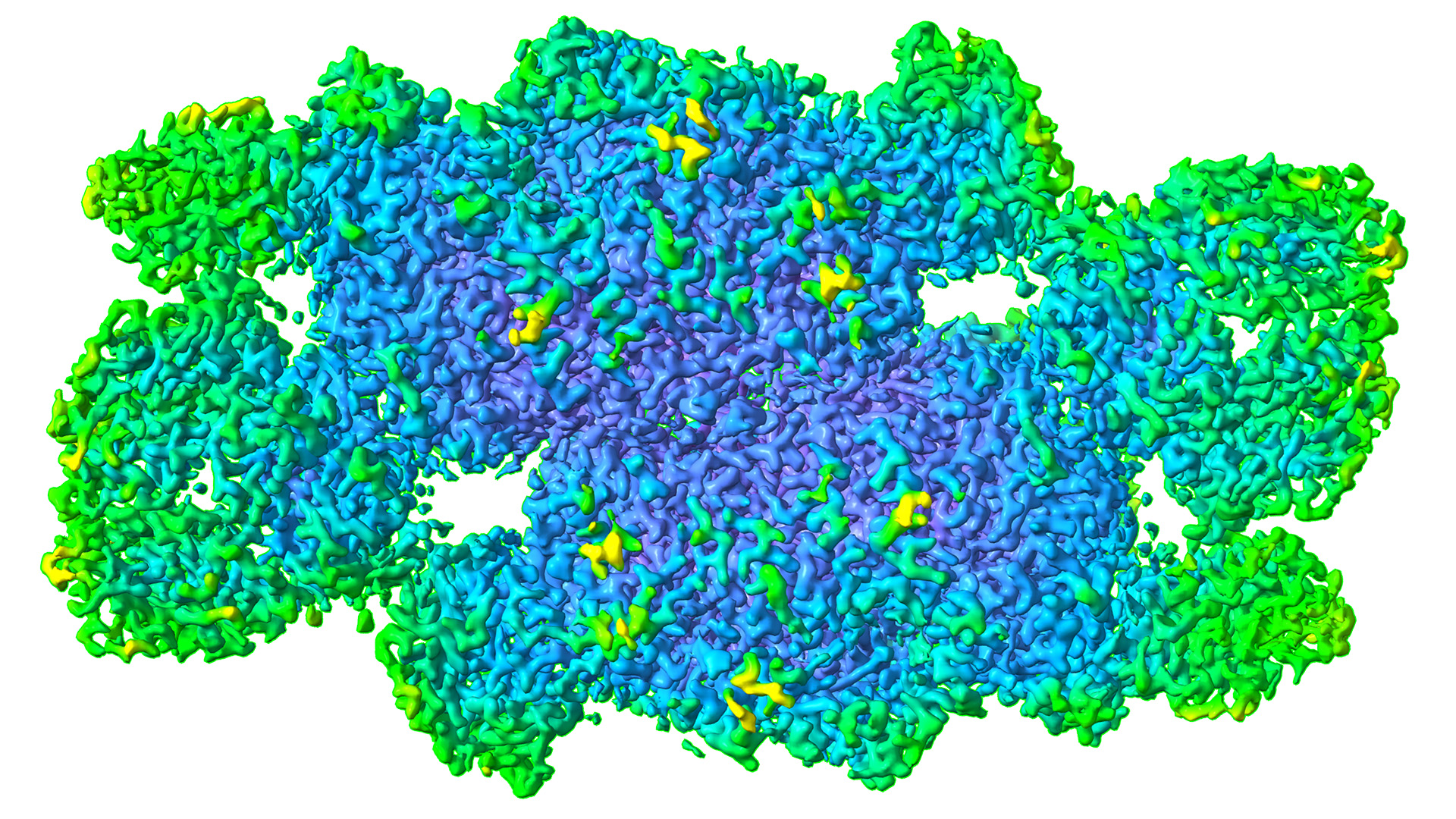
Wolfgang Schröder, who led the earlier cyanobacterial work, puts it plainly: “Before ‘the water valve’, the only requirement is that water can easily reach this point, which is why the channels can vary between plants and cyanobacteria without affecting function. After the bottleneck, however, water molecules need to be in very specific positions to interact correctly with the catalytic centre.”
That single pinch point—likely playing a key role in controlling how water is delivered—helps explain why evolution could remodel the outer plumbing while leaving the catalytic choreography untouched. It also suggests a design rule nature already follows: control the final approach more tightly than the long-distance supply lines.
From Leaf Chemistry to Clean Fuels
Artificial photosynthesis aims to copy the same water-splitting step—turning sunlight, water, and carbon dioxide into useful fuels—without relying on rare, costly metals. Plants manage the reaction with abundant manganese. The new map argues that copying the metal alone is not enough.
“Our data clearly show that it is important not only to design the metal catalyst itself, but also the surrounding water network,” Messinger notes. Insights from plants could help open the door to more abundant elements such as manganese in future designs.
The work remains a structural snapshot of one plant species at high resolution. The team is already planning the next chapters: testing how the bottleneck shapes flow and splitting rates, and expanding the comparison to additional photosynthetic organisms. Each new structure will tighten the evolutionary ledger of what must stay fixed and what can flex.
For now, the leaf’s quiet machinery looks a little less mysterious. Water does not simply wander toward the reaction centre. It passes through a molecular valve that has kept its shape across nearly a billion years of green life—an elegant reminder that nature’s best engineers are often the smallest ones.
“Our data clearly show that it is important not only to design the metal catalyst itself, but also the surrounding water network.” — Johannes Messinger
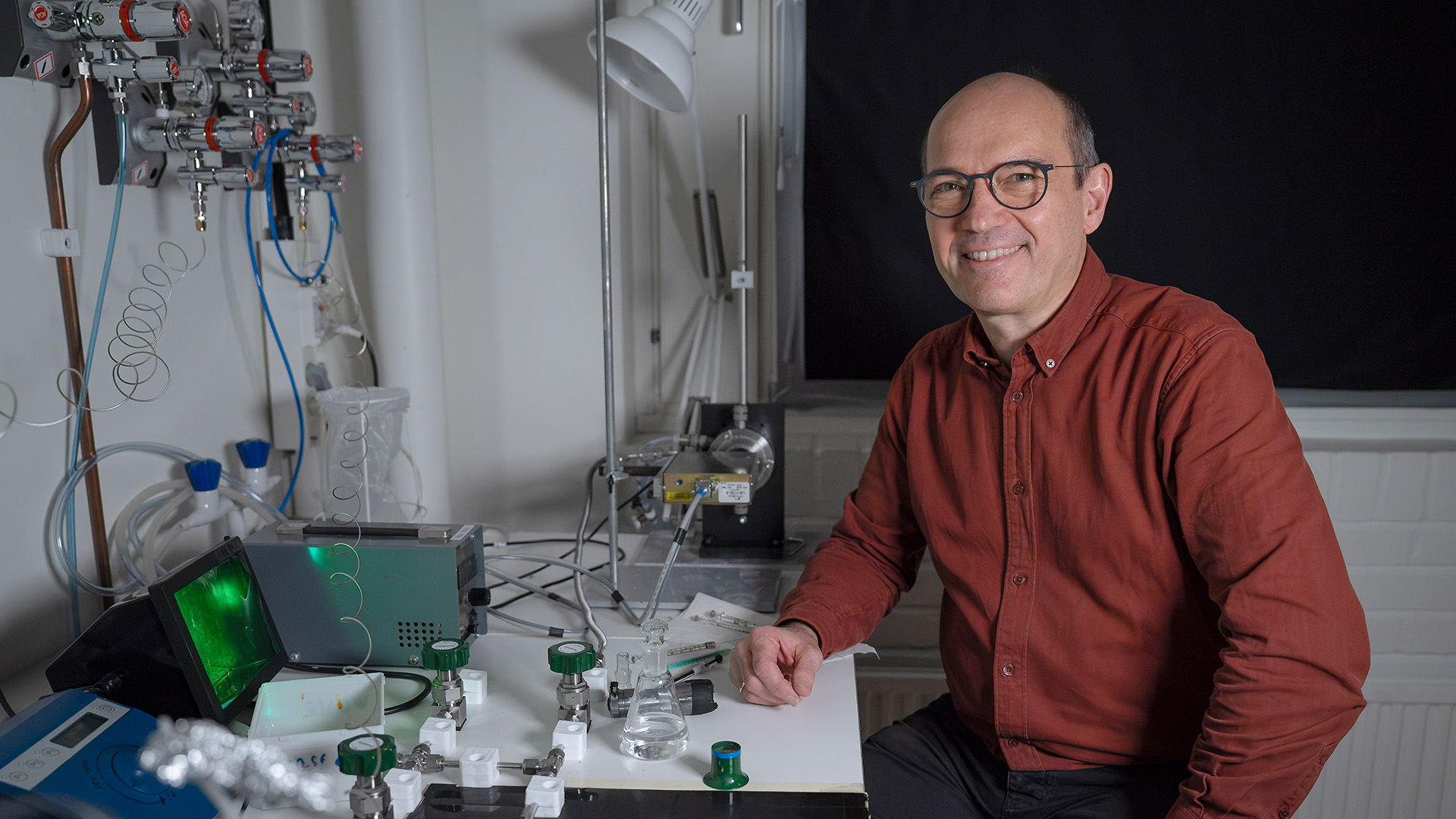 Johannes Messinger
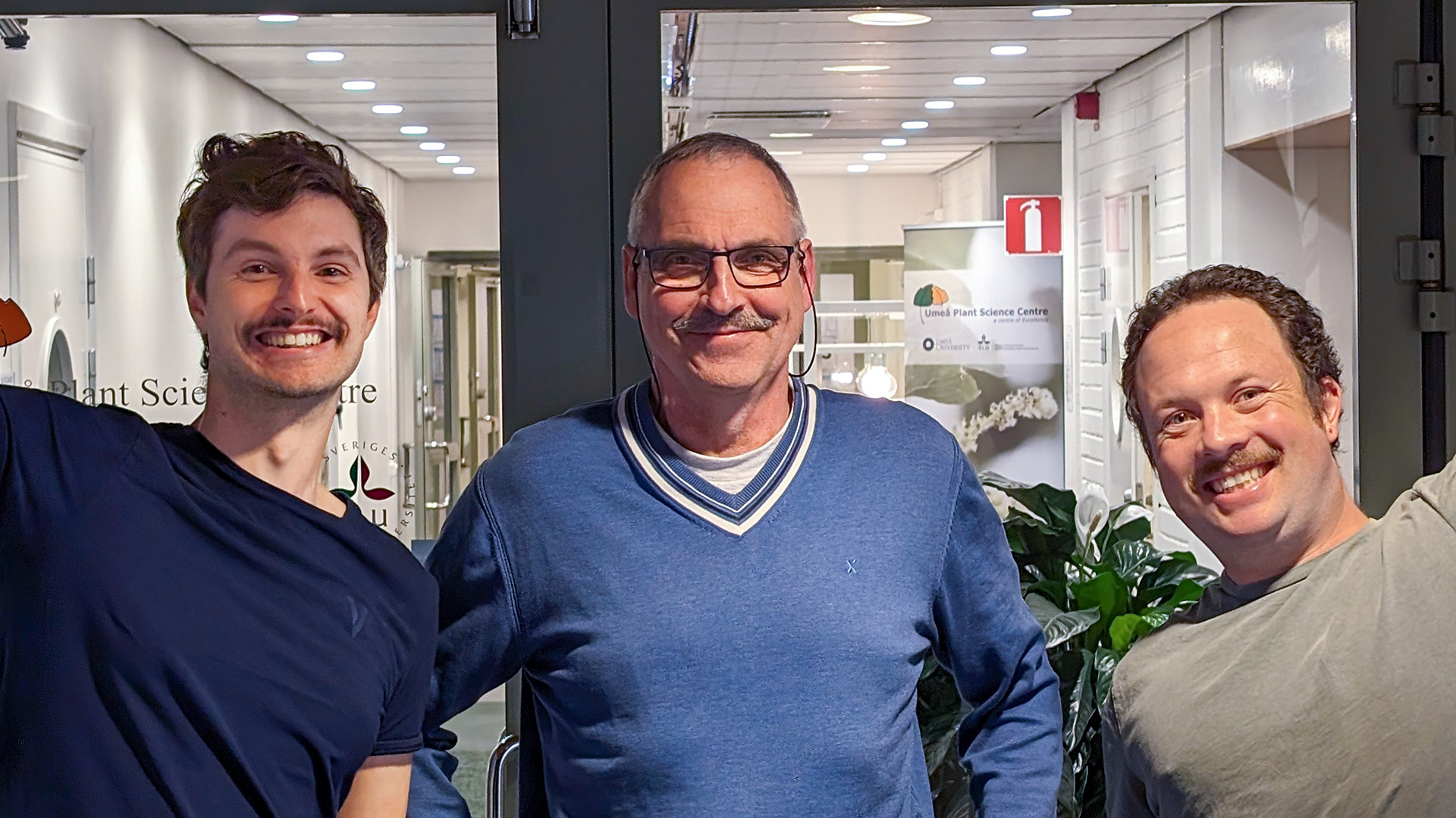 Jack Forsman, André T. Graça and Wolfgang Schröder.